The Scuola Grande dei Carmini: one of Venice’s most fascinating treasures

History

A centuries-old tradition of devotion and charity

Founded on 1 March 1594 and recognised by the Council of Ten as a ‘Scuola Piccola’ on 22 September 1597, the confraternity was elevated to the rank of ‘Scuola Grande’ in 1767.

In 1797, the year of the fall of the Republic, it was the last of the city’s existing eight Scuole Grandi in terms of foundation and recognition. Suppressed in 1807 by Napoleonic decree, it was subsequently reconstituted and still stands today as a living testimony to the role of confraternities in the city’s civil and religious history, whilst its headquarters offers a precious example of Baroque art and architecture.

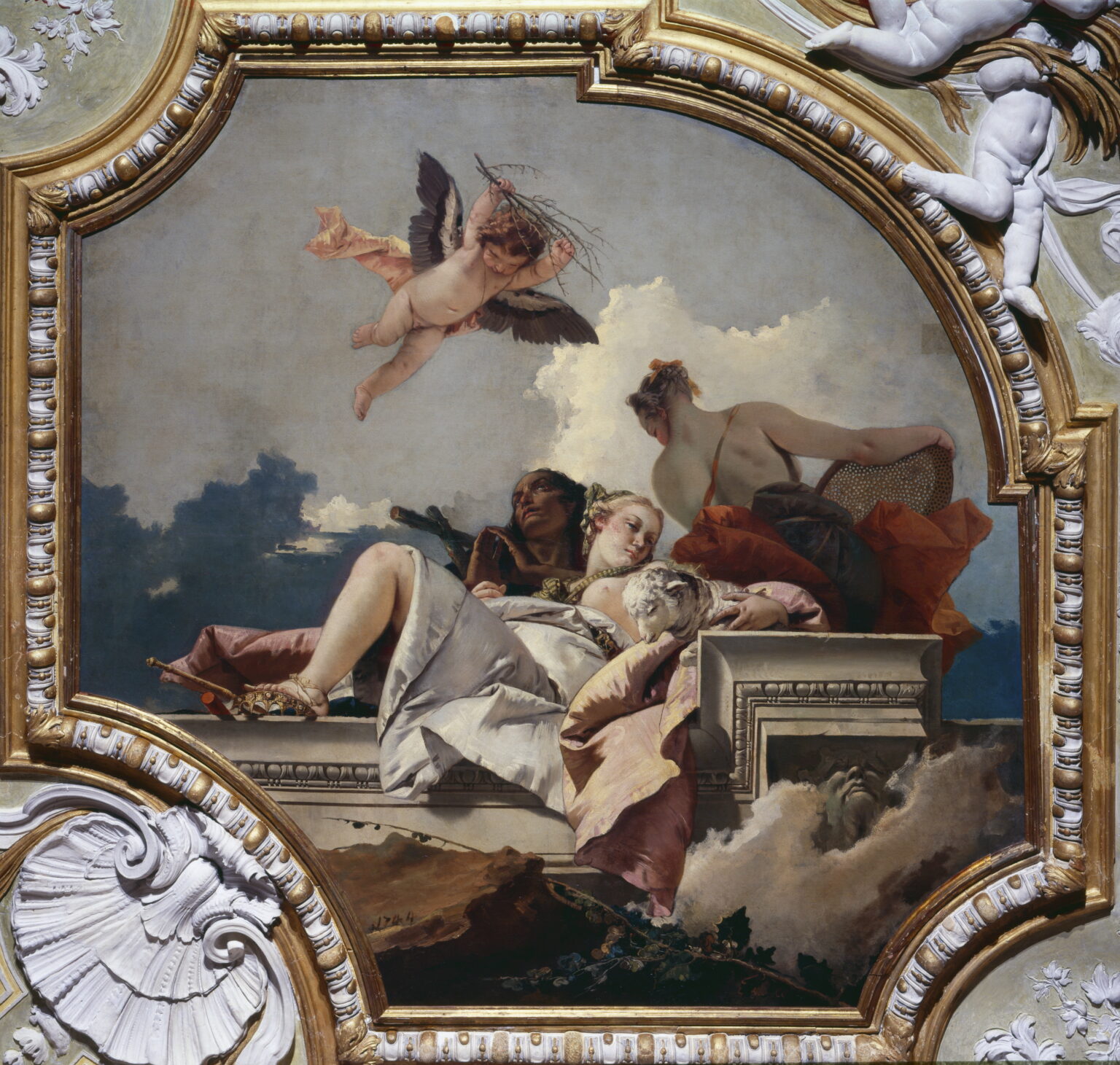
Arte del XVII, Mariegola della Scuola dei Carmini : pagina interna, Scuola dei Carmini, Venezia
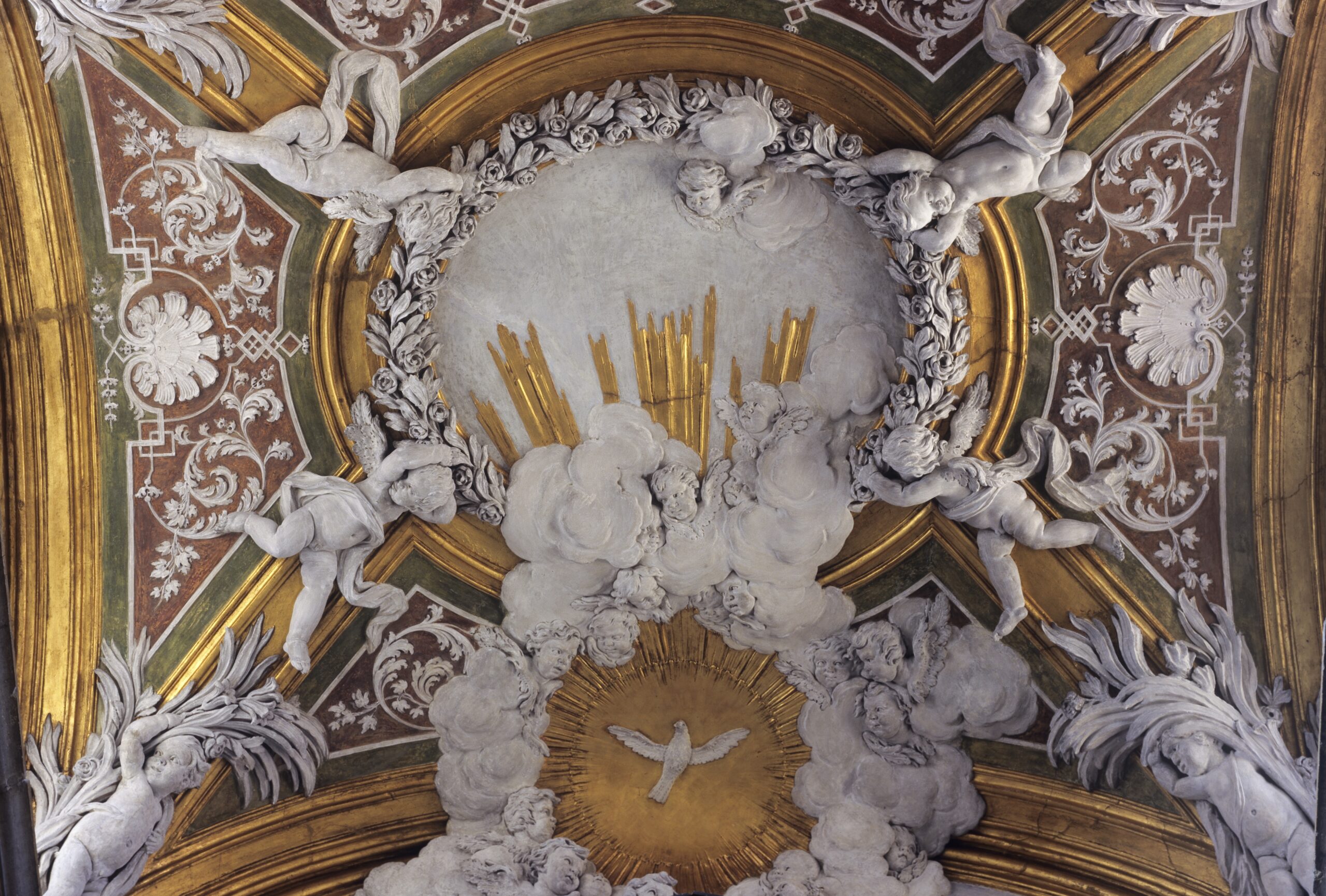
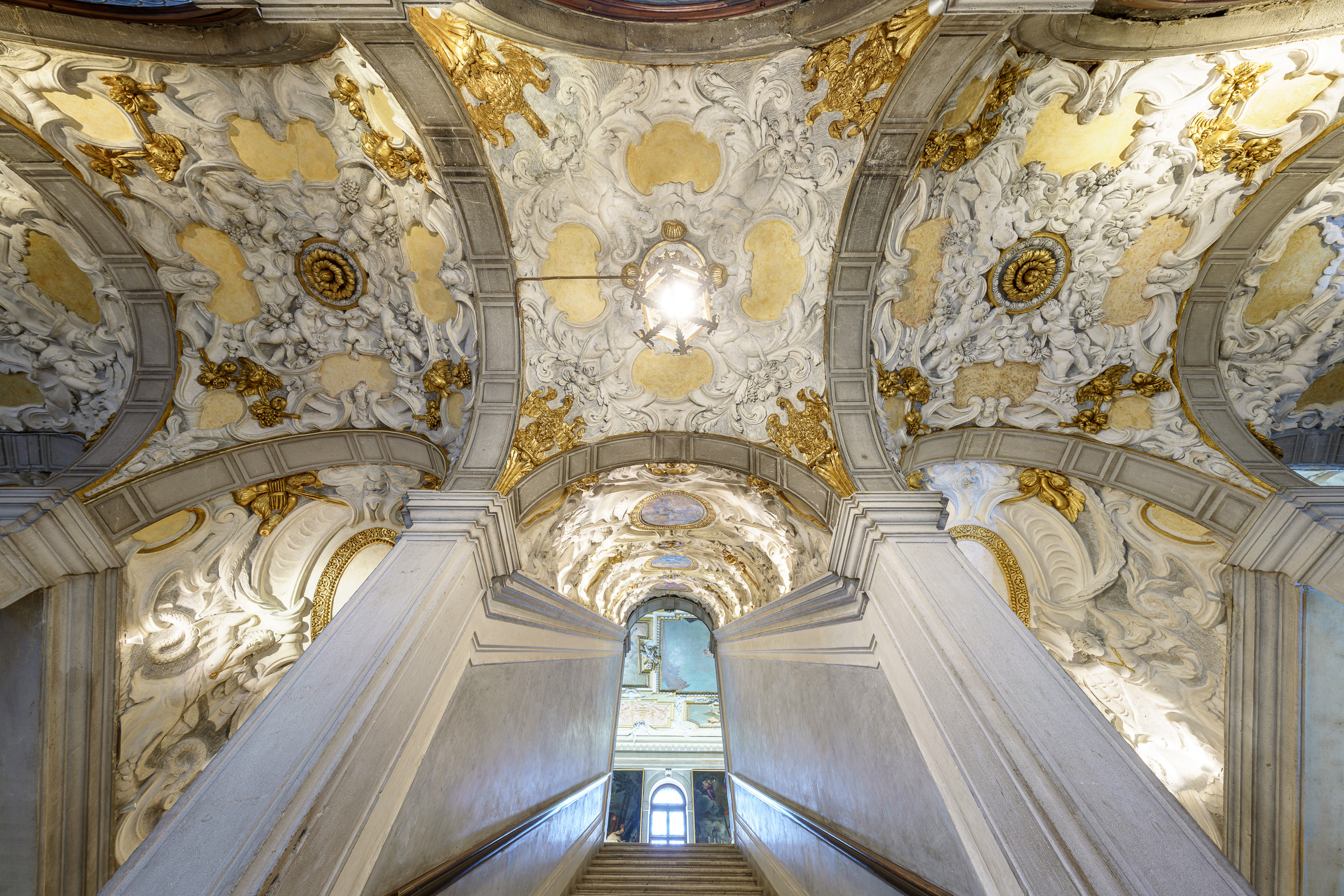
Foto della scuola, dettaglio del soffitto

The Scuola

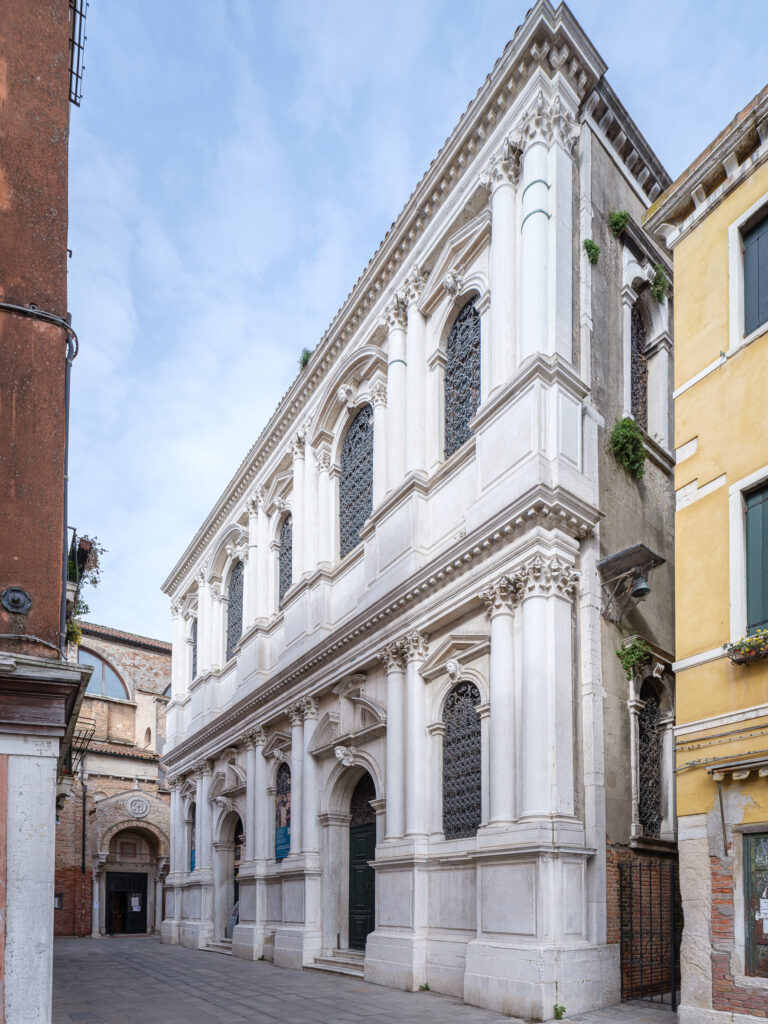
A building that reflects the confraternity’s ambition

Some thirty years passed between the Council of Ten’s approval of the Scuola and the finding of the site on which to build its headquarters. It was not until 1626 that the confraternity managed to purchase several buildings which had once belonged to the Guoro family; these structures were probably by then in a dilapidated state.

The buildings were situated near the church along the route connecting Campo dei Carmini to Campo Santa Margherita.

Foto della Scuola Grande del Carmini

The Ceiling

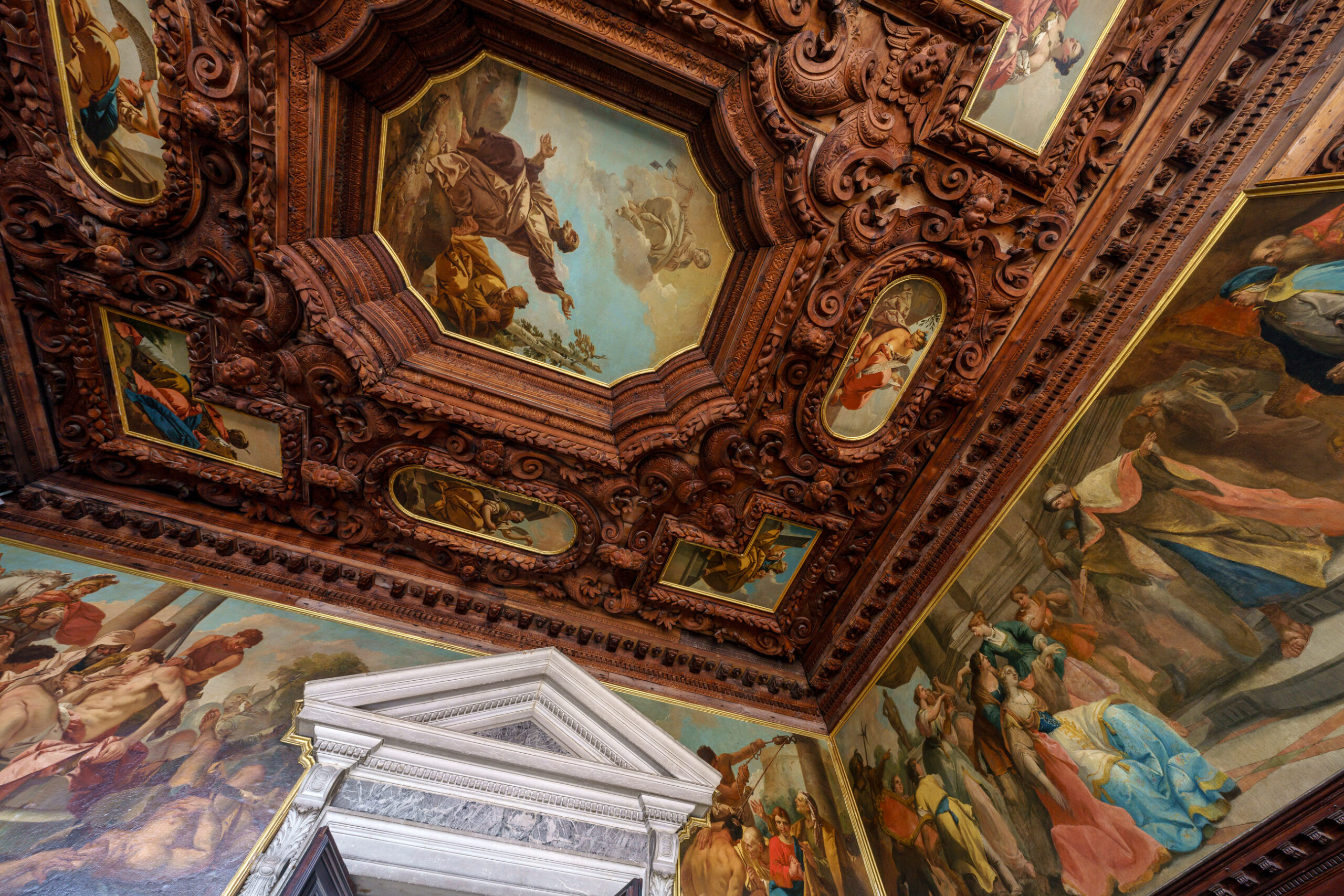
The ceiling by Giambattista Tiepolo

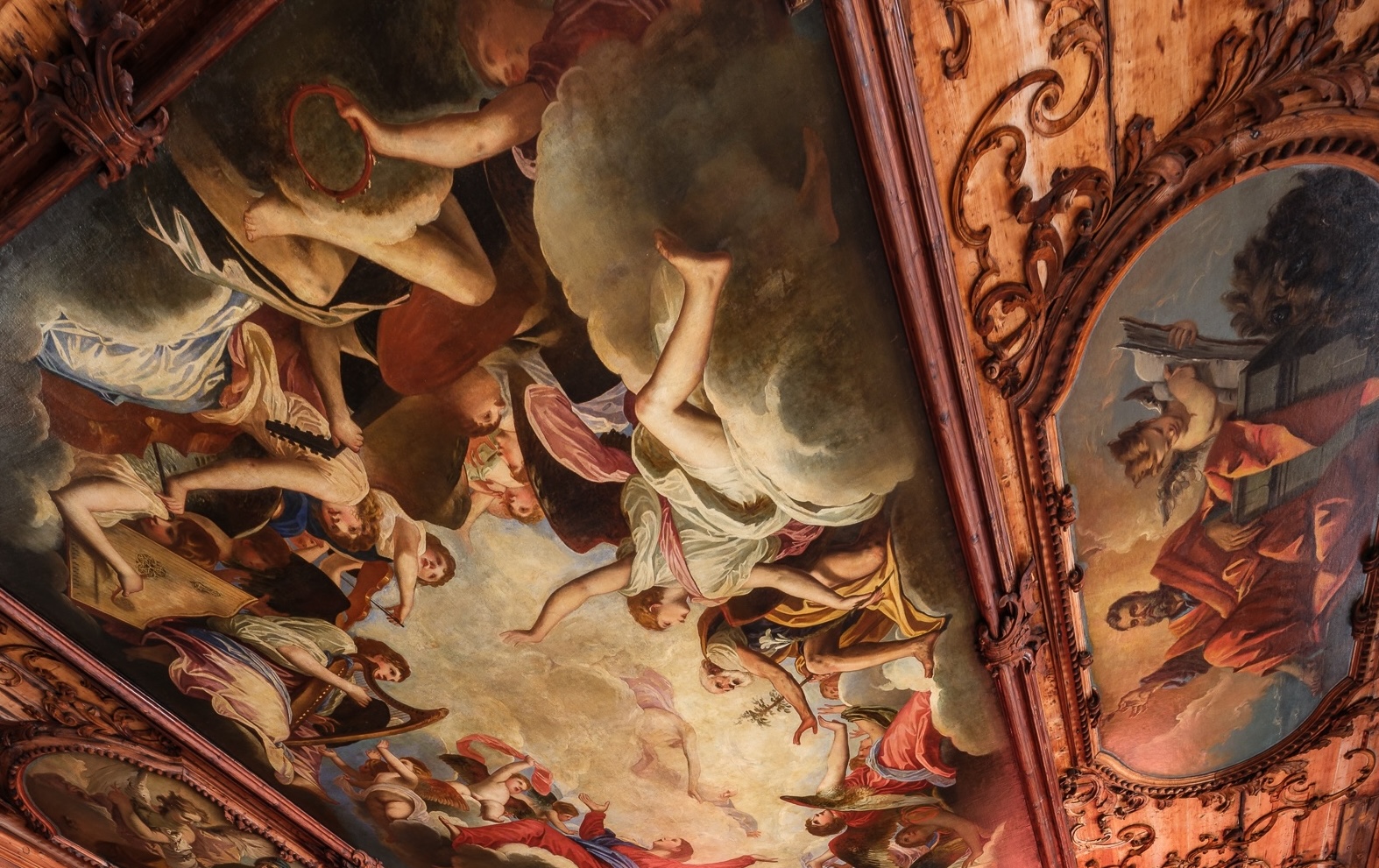
On 21 December 1739, the Chapter of the Scuola resolved to renovate the ceiling of the Sala Capitolare – the Chapter House – which at the time featured Padovanino’s Assumption at its centre, surrounded by further paintings by unknown artists. The commission was entrusted to Giambattista Tiepolo.

Initially, the plan was simply to replace the side panels, but it was Tiepolo himself who suggested moving Padovanino’s work – now on the ceiling of the Sala dell’Albergo – in order to create an entirely new decoration. The proposal was met with great enthusiasm among the brothers, who were eager to create a work that, in their words, “should remain until the end of the world”.
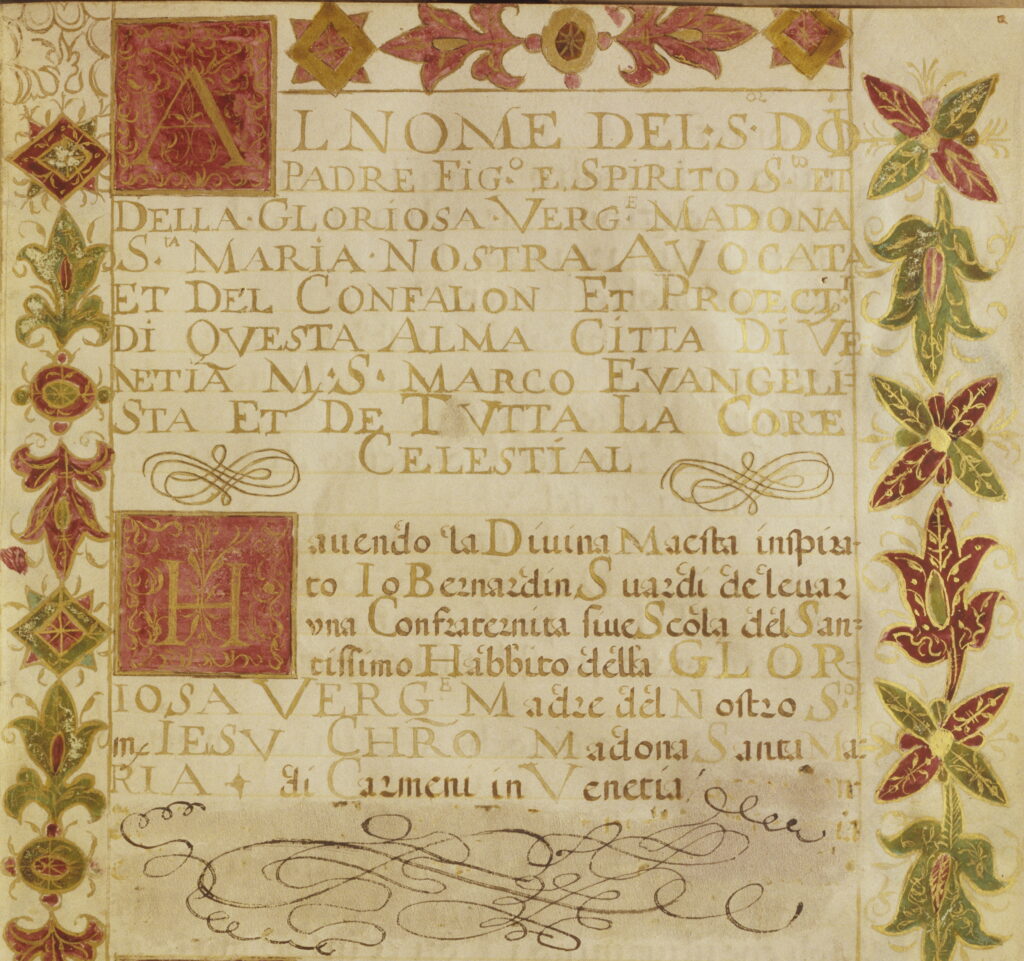
Il soffitto di Giambattista Tiepolo